Starting with Employee Health Insurance Explained: Benefits Every Worker Should Know, the discussion delves into the intricate details of a crucial topic that impacts every employee's well-being and financial security.
Providing insights and clarity on the nuances of health insurance, this informative piece aims to empower workers with knowledge that can enhance their understanding of this vital benefit.
Employee Health Insurance Overview
Employee health insurance is a type of coverage provided by an employer to its employees, offering financial protection for medical expenses incurred due to illness or injury. This benefit is essential for ensuring access to quality healthcare and safeguarding the well-being of workers and their families.
Types of Health Insurance Plans
- Health Maintenance Organization (HMO): HMO plans require members to choose a primary care physician and obtain referrals for specialist care. These plans usually have lower out-of-pocket costs but limited provider networks.
- Preferred Provider Organization (PPO): PPO plans offer more flexibility in choosing healthcare providers, both in-network and out-of-network. While PPOs have higher premiums and deductibles, they provide greater coverage options.
- Exclusive Provider Organization (EPO): EPO plans combine elements of HMO and PPO plans, with a focus on in-network care. Out-of-network services are typically not covered, but EPOs offer lower costs compared to PPOs.
- High Deductible Health Plan (HDHP): HDHPs have higher deductibles and lower premiums, accompanied by a Health Savings Account (HSA) to cover out-of-pocket expenses. These plans are suitable for individuals who prefer lower monthly premiums and are willing to pay higher deductibles.
Benefits of Employee Health Insurance
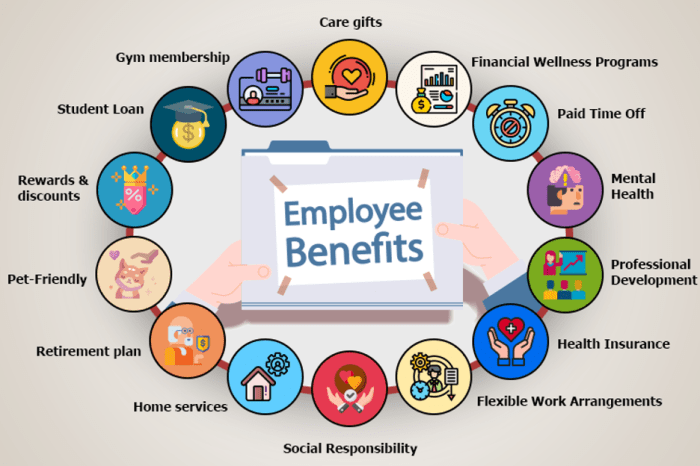
Employee health insurance offers a range of benefits that are essential for the overall well-being of workers. Here are some key advantages of having health insurance coverage as an employee:
1. Access to Quality Healthcare Services
Employee health insurance provides access to a network of healthcare providers, ensuring that employees can receive quality medical care when needed. This includes preventive services, treatments for illnesses, and emergency care.
2. Financial Protection
Health insurance coverage helps employees avoid high out-of-pocket costs for medical expenses. By having insurance, employees can benefit from cost-sharing arrangements, such as copayments, coinsurance, and deductibles, which help reduce the financial burden of healthcare.
3. Health and Wellness Programs
Many employee health insurance plans offer wellness programs that promote healthy lifestyle choices, preventive care, and disease management. These programs can include fitness incentives, smoking cessation support, mental health resources, and more, contributing to a healthier workforce.
4. Support During Illnesses or Emergencies
In times of illness or emergencies, health insurance coverage provides employees with the necessary financial support to seek medical treatment without worrying about the costs. This ensures that employees can focus on their recovery and well-being without added stress.
5. Improved Productivity and Morale
By offering health insurance benefits, employers contribute to the overall well-being and job satisfaction of their employees. Healthy employees are more productive, engaged, and motivated, leading to a positive work environment and increased morale within the organization.
6. Attraction and Retention of Talent
Employee health insurance is a valuable benefit that can attract top talent to a company and improve employee retention rates. Providing comprehensive health coverage demonstrates a commitment to the health and welfare of employees, making the company an attractive place to work.
Coverage and Limitations
When it comes to employee health insurance, understanding the coverage provided and limitations is crucial for employees to make informed decisions about their healthcare needs.
Typical Coverage Provided
Employee health insurance plans typically cover a range of medical services, including doctor visits, hospital stays, prescription medications, preventive care, and some specialty services. The extent of coverage can vary depending on the specific plan and provider.
- Doctor visits for illness or injury
- Hospital stays for surgeries or treatments
- Prescription medications
- Preventive care such as vaccinations and screenings
- Specialty services like mental health and physical therapy
Common Limitations or Exclusions
While employee health insurance offers valuable coverage, there are limitations and exclusions that employees should be aware of. These may include certain treatments, procedures, or conditions that are not covered by the plan.
- Elective cosmetic procedures
- Dental and vision care may not be fully covered
- Experimental or investigational treatments
- Pre-existing conditions may have waiting periods
- Certain medications may not be on the formulary
Examples of Situations Where Coverage May Not Apply
In some cases, employees may find that their health insurance coverage does not apply to certain situations. For example, if a treatment is considered medically unnecessary or if it is not deemed a covered benefit by the insurance plan.
It's important for employees to carefully review their health insurance policy to understand what is covered and any limitations or exclusions that may apply.
Employer Contributions and Employee Responsibilities
When it comes to employee health insurance, understanding the roles of both the employer and the employee is crucial. Let's delve into how employer contributions work and the financial responsibilities of employees towards their health insurance.
Employer Contributions Towards Health Insurance
Employer contributions towards employee health insurance typically involve the company covering a portion of the premium costs. This contribution can vary depending on the organization and the type of health insurance plan offered. By providing this benefit, employers aim to support their employees' well-being and ensure access to essential healthcare services.
- Employer contributions often help reduce the financial burden on employees, making health insurance more affordable.
- Some employers may offer different levels of coverage based on the employee's position within the company.
- It is essential for employees to review and understand the details of employer contributions to make informed decisions about their health insurance coverage.
Employee Financial Responsibilities
While employer contributions play a significant role, employees also have financial responsibilities when it comes to health insurance. Employees are typically required to contribute towards the premium costs, either through payroll deductions or direct payments. Understanding these financial responsibilities is essential for maintaining continuous coverage.
- Employees are responsible for paying their portion of the health insurance premiums on time to avoid any disruptions in coverage.
- Failure to meet payment deadlines or requirements can lead to loss of coverage or additional financial penalties.
- It is important for employees to budget effectively and prioritize health insurance payments to ensure continued access to healthcare services.
Understanding Premiums, Deductibles, and Copayments
Health insurance premiums, deductibles, and copayments are key factors that determine the cost of healthcare for employees. It is essential to understand how these elements work together to manage healthcare expenses effectively.
Premiums
Premiums are the fixed amount that employees pay each month to maintain their health insurance coverage. This amount is typically deducted from their paycheck by their employer. Premiums can vary based on the type of plan chosen and the level of coverage provided.
- Employer-sponsored health insurance often involves sharing the cost of premiums between the employer and the employee.
- Some employers may cover a larger portion of the premium costs, resulting in lower deductions from the employee's paycheck.
Deductibles
Deductibles refer to the amount that employees must pay out of pocket before their insurance coverage kicks in. It is an annual amount that resets each year. For example, if an employee has a $1,000 deductible, they must pay the first $1,000 of medical expenses before their insurance starts covering costs.
Example: If an employee has a $1,000 deductible and incurs $800 in medical expenses, they must pay the full $800. Once they reach the $1,000 deductible, the insurance will start covering expenses according to the plan.
Copayments
Copayments are fixed amounts that employees must pay for specific healthcare services, such as doctor visits or prescription medications. These are due at the time of service and do not count towards the deductible. Copayments can vary depending on the service provided and the insurance plan chosen.
- Copayments provide a way for employees to share the cost of healthcare services with the insurance provider.
- They help in reducing the financial burden of healthcare expenses for employees by spreading out costs over time.
Network Providers and Out-of-Network Coverage
When it comes to employee health insurance, understanding the concept of network providers and out-of-network coverage is crucial for making informed decisions about healthcare options.
Importance of Network Providers
Network providers are healthcare professionals, facilities, and hospitals that have contracted with the insurance company to provide services at a discounted rate to members. This means that employees can receive medical care from these providers at a lower cost compared to out-of-network providers.
- Employees can benefit from lower out-of-pocket expenses when they choose to visit in-network providers.
- Network providers are pre-screened by the insurance company for quality and cost-effectiveness, ensuring that employees receive high-quality care.
Differences Between In-Network and Out-of-Network Coverage
In-network coverage refers to services provided by healthcare providers who have a contract with the employee's insurance company. On the other hand, out-of-network coverage involves services rendered by providers who do not have a contract with the insurance company.
- Employees typically pay less when they use in-network providers, as these services are covered at a higher percentage by the insurance plan.
- Out-of-network coverage may result in higher out-of-pocket costs for employees, as the insurance plan may cover a smaller percentage of the total cost.
Financial Implications for Employees
Using out-of-network healthcare providers can lead to significant financial implications for employees. These may include:
- Higher coinsurance or copayment amounts when using out-of-network providers.
- Potential for balance billing, where employees are responsible for paying the difference between the provider's charges and the amount covered by insurance.
- Out-of-network services may not count towards the employee's deductible, leading to higher overall healthcare costs.
Closing Summary
In conclusion, Employee Health Insurance Explained: Benefits Every Worker Should Know sheds light on the essential aspects of health insurance, highlighting its significance in safeguarding employees' health and financial stability. As workers navigate the complexities of insurance options, being informed and proactive can lead to better decision-making and overall well-being.
Answers to Common Questions
What is the role of employer contributions in employee health insurance?
Employer contributions typically involve the employer paying a portion of the health insurance premiums, reducing the financial burden on employees.
How do premiums, deductibles, and copayments affect the cost of health insurance?
Premiums are regular payments for the insurance policy, deductibles are amounts paid before insurance coverage kicks in, and copayments are fixed fees for services. These factors collectively determine the overall cost of health insurance for employees.
What are network providers in the context of employee health insurance?
Network providers are healthcare professionals or facilities that have agreements with the insurance company to provide services at pre-negotiated rates. Using in-network providers usually results in lower out-of-pocket costs for employees.