Small Business Health Insurance for Startups: Top 5 Providers sets the stage for this enthralling narrative, offering readers a glimpse into a story that is rich in detail and brimming with originality from the outset.
As we delve deeper, we will uncover key insights into the world of health insurance for startups, shedding light on its importance and the top providers in the field.
Overview of Small Business Health Insurance for Startups
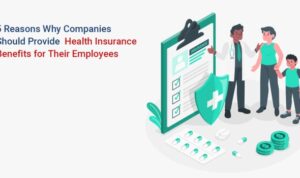
Small business health insurance for startups refers to the provision of healthcare coverage for employees of newly established businesses. It is a crucial consideration for startups as it not only helps attract and retain top talent but also promotes a healthy and productive work environment.
Importance of Health Insurance for Startups
Providing health insurance for employees in a startup setting is essential for several reasons:
- Attracting top talent: Offering health benefits can make a startup more appealing to prospective employees, especially in a competitive job market.
- Employee retention: Health insurance can help retain valuable employees by showing that the company values their well-being and cares about their long-term security.
- Employee morale and productivity: Access to healthcare can lead to healthier and happier employees, resulting in increased productivity and overall job satisfaction.
Benefits of Providing Health Insurance for Employees
There are numerous benefits to providing health insurance for employees in a startup environment:
- Improved recruitment efforts: Offering health benefits can help startups attract top-tier talent who prioritize work-life balance and overall well-being.
- Enhanced employee loyalty: Providing health insurance demonstrates a commitment to employees' health and can foster loyalty and long-term commitment to the company.
- Healthier workforce: Access to preventive care and medical treatment can lead to a healthier workforce, reducing absenteeism and promoting a more vibrant workplace culture.
Top 5 Providers of Small Business Health Insurance
When it comes to choosing a health insurance provider for your startup, it's crucial to select a reputable company that offers comprehensive coverage options. Here are the top 5 providers known for their quality services and customer satisfaction:
1. Blue Cross Blue Shield
Blue Cross Blue Shield is a well-established provider offering a wide range of health insurance plans for small businesses. They are known for their extensive network of healthcare providers and customizable coverage options to meet the specific needs of startups.
2. Aetna
Aetna is another popular choice for small business health insurance, known for its competitive rates and comprehensive coverage. They offer a variety of plan options, including HMOs, PPOs, and high-deductible health plans, catering to different budget and healthcare needs.
3. Cigna
Cigna is a trusted name in the health insurance industry, providing small businesses with access to quality healthcare services. Their plans often include wellness programs and other additional benefits to promote employee health and well-being.
4. Kaiser Permanente
Kaiser Permanente is a top-rated provider known for its integrated healthcare system, combining medical services, insurance coverage, and preventive care under one roof. They offer a variety of plans tailored to the needs of small businesses, with a focus on preventive care and wellness.
5. UnitedHealthcare
UnitedHealthcare is a leading provider offering small businesses a wide range of health insurance options, from traditional plans to consumer-driven health plans. They are known for their excellent customer service and innovative solutions to help businesses manage their healthcare costs effectively.These top 5 providers stand out for their reputation, comprehensive coverage options, and high levels of customer satisfaction, making them ideal choices for startups looking to provide quality health insurance benefits to their employees.
Cost Analysis and Affordability
Starting a business comes with many financial considerations, and one of the major costs for startups is providing health insurance for employees. Analyzing the cost factors associated with small business health insurance is crucial for making informed decisions and ensuring financial stability.
Affordable Health Insurance Options for Startups
- Consider High Deductible Health Plans (HDHP) paired with Health Savings Accounts (HSA) as a cost-effective option for startups. HDHPs typically have lower monthly premiums but higher deductibles.
- Explore Small Business Health Options Program (SHOP) exchanges, which allow small businesses to compare and purchase health insurance plans.
- Look into health insurance cooperatives or associations that offer group coverage at potentially lower rates than individual plans.
- Consider self-insurance or level-funded plans, where the employer takes on more risk but potentially saves money in the long run.
Importance of Balancing Cost and Coverage
When selecting a health insurance provider for your startup, it's essential to strike a balance between cost and coverage. Opting for the cheapest plan may save money upfront, but inadequate coverage could lead to higher out-of-pocket costs for employees and potential dissatisfaction.
On the other hand, investing in comprehensive coverage may provide peace of mind and better protection for employees' health needs, but it could also strain your startup's budget. Finding the right balance ensures that employees receive adequate healthcare benefits while managing costs effectively.
Customization and Flexibility
When it comes to small business health insurance plans, customization and flexibility are essential for startups to meet the unique needs of their employees. By tailoring health insurance plans, startups can ensure that their employees have access to the coverage they need without unnecessary extras.
Customization Options for Small Business Health Insurance Plans
- Startups can choose from a variety of coverage options, including health, dental, vision, and mental health services.
- Employers can adjust deductibles, copayments, and coverage limits to create a plan that fits their budget and employee needs.
- Some insurance providers offer wellness programs and incentives that can be customized to promote healthy lifestyles among employees.
Importance of Flexibility in Health Insurance Plans
- Startups often have employees with diverse needs and demographics, so flexibility in health insurance plans is crucial to accommodate different preferences and requirements.
- Flexible plans allow employees to choose the coverage that best suits their individual healthcare needs, promoting employee satisfaction and retention.
- As startups grow and change, the ability to adjust and customize health insurance plans ensures that coverage remains relevant and effective for all employees.
Legal Requirements and Compliance
Startups venturing into offering health insurance to employees must adhere to specific legal requirements and compliance regulations to ensure they are operating within the law.
Overview of Compliance Regulations
Compliance regulations related to small business health insurance encompass various aspects, such as the Affordable Care Act (ACA) requirements, ERISA regulations, HIPAA privacy rules, and state-specific mandates.
- Under the ACA, small businesses with 50 or more full-time equivalent employees are required to offer health insurance or face penalties.
- ERISA mandates that businesses providing health benefits must adhere to reporting and disclosure requirements to protect employees' rights.
- HIPAA privacy rules ensure the protection of employees' personal health information and set standards for data security.
- State-specific mandates may include additional requirements for businesses offering health insurance, such as coverage limits and eligibility criteria.
Consequences of Non-Compliance
Non-compliance with health insurance regulations can have severe repercussions for startups, including financial penalties, legal action, damage to reputation, and potential loss of employees.
It is crucial for startups to stay informed about legal requirements and compliance regulations to avoid costly consequences and maintain a positive relationship with employees.
Closing Summary
In conclusion, Small Business Health Insurance for Startups: Top 5 Providers showcases the vital role of health insurance in the success of startups, emphasizing the need for careful consideration and informed decision-making.
FAQ Resource
What factors should startups consider when choosing a health insurance provider?
Startups should consider factors like coverage options, cost, reputation, and customer satisfaction when selecting a health insurance provider.
Is it mandatory for startups to provide health insurance to their employees?
While it's not mandatory for startups to provide health insurance, offering it can attract top talent and contribute to employee satisfaction and retention.
How can startups find affordable health insurance options?
Startups can explore group health insurance plans, shop around for quotes, and consider Health Savings Accounts (HSAs) to find affordable options.
What are the consequences of non-compliance with health insurance regulations for startups?
Non-compliance with health insurance regulations can lead to penalties, legal issues, and damage to the company's reputation.